
Top School Transport Problems in Indian Cities — and How to Solve Them
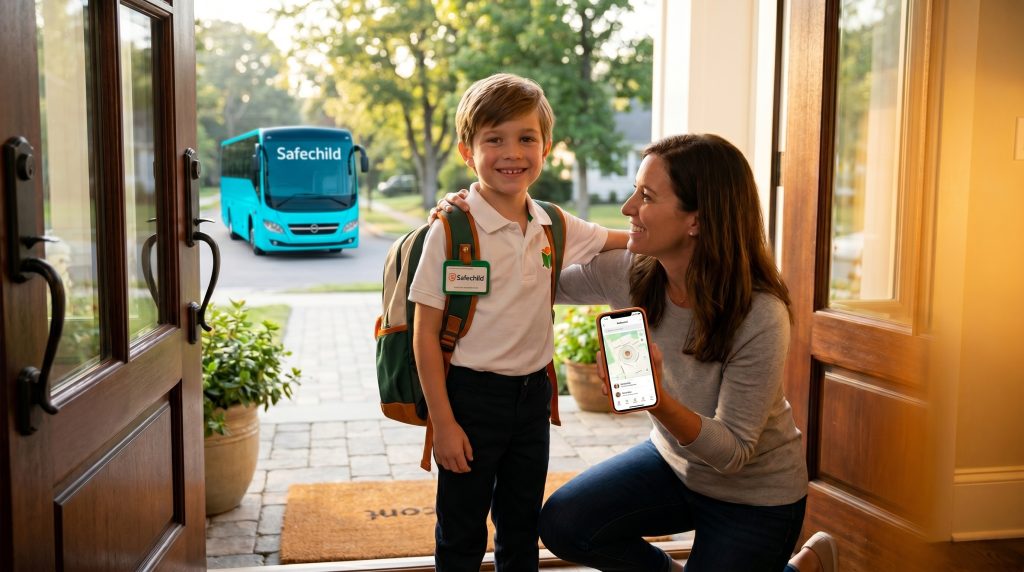
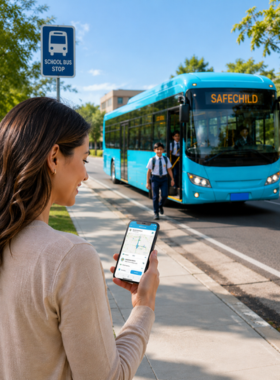
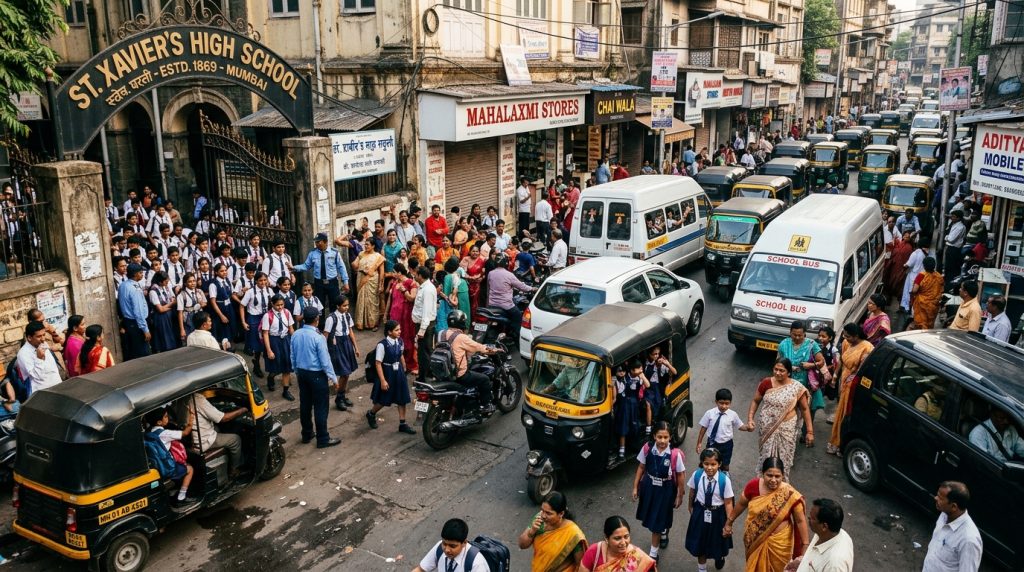
Table of Contents Why School Transport in India Needs Urgent Attention Problem 1: Unverified and Unaccountable Drivers Problem 2: Overcrowded School Vans and Autos Problem 3: Zero Visibility for Parents During the Ride Problem 4: No Standard Safety Measures in Vehicles Problem 5: Unreliable Pickup and Drop Off Timing Problem 6: No Emergency Protocol When Things Go Wrong Problem 7: Lack of Regulatory Enforcement How Parents Can Protect Their Children Today How Technology Is Solving These Problems Frequently Asked Questions Final Thoughts Top School Transport Problems in Indian Cities and How to Solve Them Why School Transport in India Needs Urgent Attention India has over 250 million school aged children. Millions of them commute daily in auto-rickshaws, shared vans, private cabs, and school buses. The demand for safe school transport is enormous. The supply of reliable, verified options is dangerously low. Every few months, news headlines report school van accidents, missing children, and driver misconduct. These are not rare events. They are symptoms of a system that lacks accountability, technology, and enforcement. The problem spans cities. Delhi parents worry about air pollution and reckless driving. Mumbai parents face overcrowded trains and vans. Bengaluru parents battle traffic that turns a 5 kilometer school run into a 45 minute ordeal. Chennai, Hyderabad, Pune, and Kolkata all face variations of the same challenges. This blog breaks down the top school transport problems in Indian cities and explains how parents, schools, and platforms like SafeChild are working to solve them. Problem 1: Unverified and Unaccountable Drivers In many Indian cities, the person driving your child to school has never been background checked. Private van operators, auto-rickshaw drivers, and informal carpool arrangements often skip verification entirely. Parents trust these drivers because a neighbor recommended them or because the school suggested them. But trust based on word of mouth is not the same as trust based on verified identity, clean criminal records, and valid licenses. The lack of verification creates a dangerous gap. Parents have no way to know if the driver has a history of reckless driving, criminal activity, or substance abuse. They simply hope for the best every morning. How SafeChild Solves This Every driver undergoes Aadhaar and PAN based identity verification. Criminal background checks are completed before the first ride. Driving records are reviewed for violations and suspensions. Drivers must complete a child safety onboarding session before accepting bookings. Periodic re-verification ensures ongoing compliance. Problem 2: Overcrowded School Vans and Autos Overcrowding is one of the most visible and dangerous school transport problems in India. Vans designed for 8 children routinely carry 15 or more. Auto-rickshaws meant for 3 passengers hold 6 students squeezed together. Overcrowding increases accident severity, makes seatbelt use impossible, and creates dangerous exit conditions in emergencies. It also causes physical discomfort for children on hot days, leading to dehydration and fatigue before the school day even begins. Parents can independently verify any driver’s license status through the Parivahan Sewa portal managed by the Government of India. Despite rules against overcrowding, enforcement remains weak in most cities. Operators prioritize revenue per trip over safety per child. How SafeChild Solves This Each ride has a fixed passenger limit based on vehicle seating capacity. Bookings are capped per vehicle. The system does not allow overbooking. Parents can see how many children are on the same ride before confirming. Vehicles are inspected for proper seating configuration during verification. Problem 3: Zero Visibility for Parents During the Ride Once the van pulls away from home, most Indian parents have no idea where their child is until the school confirms arrival. There is no tracking, no notification, and no way to check in real time. This gap creates daily anxiety. Parents call drivers repeatedly, disrupt their own work schedules, and rely on WhatsApp messages from other parents to guess whether the ride is on time. For working parents, the anxiety is amplified. They cannot leave their desk to check. They cannot call the school every 10 minutes. They simply wait and hope for the best until someone confirms their child is safe. How SafeChild Solves This Real time GPS tracking shows the vehicle location throughout every ride. Parents receive automatic notifications at pickup, during transit, and at drop off. No phone calls or messages needed. The app handles all communication automatically. The ride route is visible on a map so parents can see the exact path being followed. Problem 4: No Standard Safety Measures in Vehicles Many school transport vehicles in Indian cities lack basic safety features. Missing seatbelts, expired insurance, cracked windshields, bald tires, and non-functional door locks are common. Parents cannot inspect these things every morning, and most have no idea what condition the vehicle is in. The problem is worse with informal transport arrangements. When a neighborhood uncle offers to drive children in his personal car, there is no safety inspection. No insurance check. No accountability. How SafeChild Solves This Vehicle fitness is verified before a driver is approved on the platform. Registration, insurance, and pollution certificates are checked against official databases. Physical vehicle condition is assessed during the verification process. Periodic re-verification ensures vehicles remain safe throughout the year. Problem 5: Unreliable Pickup and Drop Off Timing Late pickups and inconsistent timing are among the top complaints Indian parents have about school transport. A driver who arrives 10 minutes late every day wastes hours of parent and student time each month. For children, late pickups mean waiting on the roadside in heat, rain, or traffic fumes. For parents, late drop offs mean arriving at work behind schedule, cutting into productivity and causing professional stress. The root cause is usually poor route planning. Most informal transport operators do not optimize their routes. They add stops without recalculating timing. The result is a schedule that drifts later every month. How SafeChild Solves This Rides are scheduled with fixed timing visible to parents in the app. The app shows estimated arrival time updated in real time as the vehicle approaches. Parents